

How to troubleshoot problems with a 5.00mm Pitch Plug - in Connector?
Jul 08, 2025
Troubleshooting problems with a 5.00mm Pitch Plug - in Connector can be a challenging yet essential task for anyone involved in electrical and electronic systems. As a supplier of 5.00mm Pitch Plug - in Connectors, I've encountered various issues over the years and have developed effective strategies to address them. In this blog, I'll share some common problems and how to troubleshoot them.
Understanding the Basics of 5.00mm Pitch Plug - in Connectors
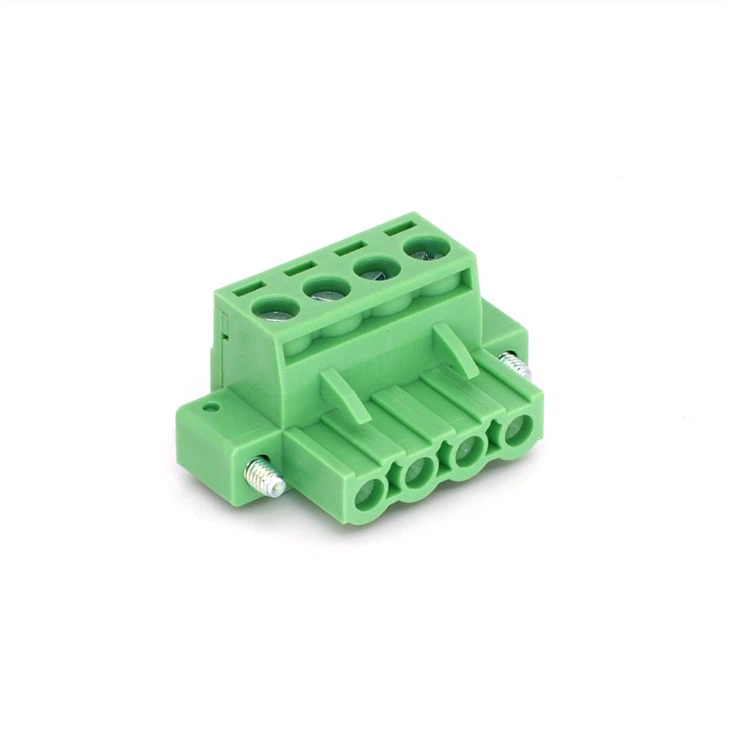
Before delving into troubleshooting, it's crucial to understand what a 5.00mm Pitch Plug - in Connector is. The "5.00mm pitch" refers to the distance between the centers of adjacent terminals in the connector. This standardized pitch allows for compatibility with other components in the electrical system. These connectors are widely used in PCB (Printed Circuit Board) applications, providing a reliable and convenient way to connect wires and components. For more information on our 5.00mm Pitch Plug In Terminal Block For PCB, you can visit our website.
Common Problems and Troubleshooting Steps
1. Poor Electrical Connection
One of the most common issues with plug - in connectors is a poor electrical connection. This can manifest as intermittent power loss, signal interference, or complete failure of the connected device.
- Cause: Loose terminals, dirty contacts, or improper insertion can lead to poor electrical connections.
- Troubleshooting Steps:
- Visual Inspection: First, visually inspect the connector for any signs of damage, such as bent pins or loose wires. If you notice any bent pins, carefully straighten them using a pair of fine - tipped tweezers.
- Cleaning the Contacts: Use a contact cleaner or isopropyl alcohol to clean the contacts. Apply a small amount of the cleaner to a cotton swab and gently wipe the contacts. Make sure to let the contacts dry completely before reconnecting.
- Proper Insertion: Ensure that the plug is fully inserted into the socket. Sometimes, a partial insertion can cause a poor connection. Check for any resistance or misalignment during insertion and adjust accordingly.
2. Overheating
Overheating is another serious problem that can damage the connector and the connected components.
- Cause: Overloading the connector, poor ventilation, or a high - resistance connection can cause overheating.
- Troubleshooting Steps:
- Check the Load: Verify that the current flowing through the connector does not exceed its rated capacity. If the load is too high, consider using a connector with a higher current rating or redistributing the load.
- Improve Ventilation: Ensure that the connector has adequate ventilation. If it is installed in an enclosed space, consider adding a cooling fan or improving the airflow around the connector.
- Check for High - Resistance Connections: As mentioned earlier, a poor electrical connection can cause high resistance, which in turn generates heat. Follow the steps for troubleshooting poor electrical connections to address this issue.
3. Mechanical Failure
Mechanical failure can occur due to repeated plugging and unplugging, excessive force during installation, or environmental factors such as vibration and shock.
- Cause: Worn - out locking mechanisms, cracked housings, or broken pins can lead to mechanical failure.
- Troubleshooting Steps:
- Inspect the Locking Mechanism: Check if the locking mechanism is functioning properly. If it is loose or damaged, it may need to be replaced. Some connectors have a simple locking tab that can be easily adjusted or replaced.
- Check the Housing: Look for any cracks or damage to the connector housing. If the housing is cracked, it may compromise the integrity of the connector. In such cases, it is recommended to replace the entire connector.
- Replace Broken Pins: If a pin is broken, it can usually be replaced. However, this requires some technical skill. You can use a soldering iron to remove the broken pin and solder a new one in its place.
4. Compatibility Issues
Compatibility issues can arise when the connector is not compatible with the connected components or the PCB layout.
- Cause: Mismatched pin configurations, different pitch sizes, or incompatible electrical ratings can cause compatibility issues.
- Troubleshooting Steps:
- Verify Pin Configurations: Double - check the pin configurations of the connector and the connected components. Make sure that the pins are aligned correctly and that the electrical signals are being routed properly.
- Check the Pitch Size: Ensure that the pitch size of the connector matches the requirements of the PCB. If the pitch size is incorrect, it may not fit properly or may cause signal interference. We also offer 7.62mm Pitch Plug In Terminal Block and 4 Position 7.62 Mm Pluggable Terminal Blocks for different applications.
- Review Electrical Ratings: Confirm that the electrical ratings of the connector, such as voltage and current, are compatible with the connected components. Using a connector with lower ratings than required can lead to overheating and failure.
Preventive Measures
To minimize the occurrence of problems with 5.00mm Pitch Plug - in Connectors, it's important to take preventive measures.

- Proper Installation: Follow the manufacturer's installation instructions carefully. Use the correct tools and apply the appropriate amount of force during installation.
- Regular Maintenance: Conduct regular inspections and cleaning of the connectors. This can help detect and address potential issues before they become major problems.
- Quality Components: Use high - quality connectors from a reputable supplier. Cheaper connectors may be more prone to failure and may not provide the same level of reliability.
Conclusion
Troubleshooting problems with a 5.00mm Pitch Plug - in Connector requires a systematic approach. By understanding the common problems, their causes, and the appropriate troubleshooting steps, you can ensure the reliable operation of your electrical and electronic systems. If you encounter any issues that you are unable to resolve, don't hesitate to contact us. We are a professional supplier of 5.00mm Pitch Plug - in Connectors and can provide you with technical support and solutions. Whether you are looking for a new connector or need help with an existing one, we are here to assist you. Contact us today to discuss your procurement needs and let's work together to find the best solutions for your projects.
References
- Manufacturer's manuals for 5.00mm Pitch Plug - in Connectors
- Electrical engineering textbooks on connector technology
- Industry standards and guidelines for electrical connectors