

How to improve the vibration resistance of Pcb Direct Welding Terminal Block?
Oct 03, 2025
Hey there! I'm a supplier of PCB Direct Welding Terminal Blocks, and today I wanna chat about how to improve the vibration resistance of these nifty little components. It's a topic that's super important, especially in industries where vibrations are a common headache.
First off, let's understand why vibration resistance matters. In many applications, like automotive, aerospace, and industrial machinery, PCB Direct Welding Terminal Blocks are constantly exposed to vibrations. These vibrations can loosen connections, cause intermittent electrical contact, and even lead to complete failure of the terminal block. That's why it's crucial to take steps to boost their vibration resistance.
Material Selection
One of the first things we can do is pay close attention to the materials we use. High - quality materials can make a huge difference in how well a terminal block withstands vibrations. For the housing material, we often choose thermoplastics with good mechanical properties. These plastics are tough, durable, and can absorb some of the shock from vibrations.
For the contact materials, copper alloys are a popular choice. They have excellent electrical conductivity and good mechanical strength. The better the mechanical strength of the contact material, the less likely it is to deform under vibration. When the contacts stay in good shape, the electrical connection remains stable. So, when you're looking at PCB Direct Welding Terminal Block, make sure to ask about the materials used.
Design Considerations
The design of the terminal block also plays a key role in its vibration resistance. A well - designed terminal block will have features that help it stay firmly in place and keep the connections secure.
One important design aspect is the locking mechanism. A strong locking mechanism can prevent the terminal block from moving around on the PCB. For example, some terminal blocks have snap - in designs that fit tightly onto the PCB. This reduces the chances of the terminal block vibrating loose.
Another design factor is the contact pressure. The contacts in the terminal block need to have sufficient pressure to maintain a good electrical connection. If the contact pressure is too low, vibrations can easily break the connection. Some terminal blocks are designed with springs or other mechanisms to ensure consistent contact pressure.
The layout of the terminal block on the PCB also matters. We should try to place the terminal block in an area where it's less likely to be affected by vibrations. For instance, avoiding areas near fans or motors that generate a lot of vibration.
Manufacturing Processes
The way the terminal block is manufactured can significantly impact its vibration resistance. During the manufacturing process, precision is key. Any small defect or imperfection can weaken the terminal block and make it more susceptible to vibrations.
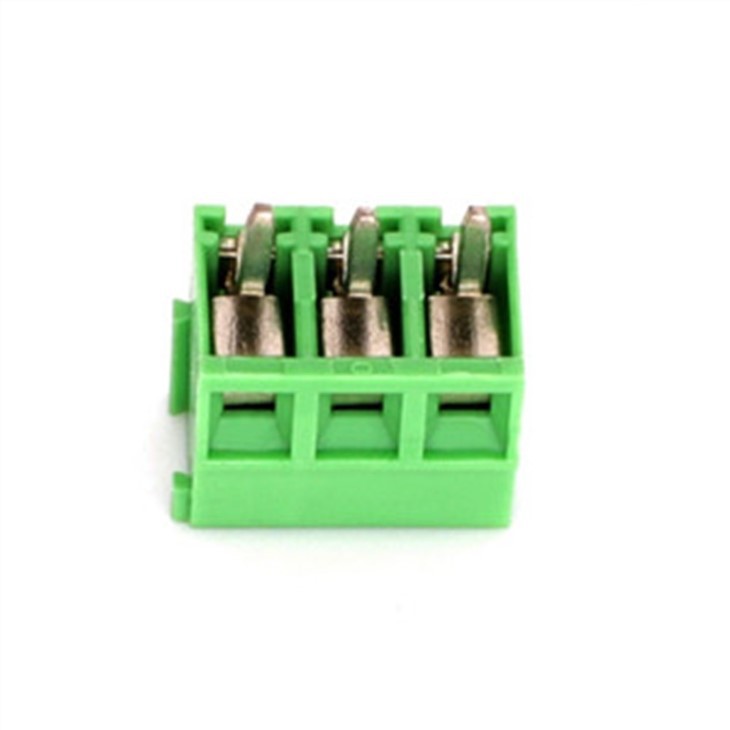

Soldering is a critical step in the manufacturing of PCB Direct Welding Terminal Blocks. A good soldering process ensures a strong bond between the terminal block and the PCB. We use advanced soldering techniques to make sure the solder joints are reliable and can withstand vibrations.
Quality control during manufacturing is also essential. We inspect each terminal block to make sure it meets our high standards. Any terminal blocks that don't pass our quality checks are rejected. This helps us ensure that only the best - quality products reach our customers.
Testing and Certification
Before we send our terminal blocks out to customers, we subject them to rigorous testing. Vibration testing is one of the most important tests we perform. We simulate different levels and frequencies of vibrations to see how the terminal block holds up.
We also follow industry standards and get our products certified. Certifications like UL, CE, and RoHS not only show that our products meet certain safety and quality requirements but also give our customers peace of mind. When you buy a certified Direct Welding Terminal Blocks, you know it's been tested and proven to be reliable.
Installation and Maintenance
Even the best - designed and manufactured terminal blocks can have issues if they're not installed correctly. When installing the terminal block on the PCB, make sure to follow the manufacturer's instructions carefully. Use the right tools and techniques to ensure a proper fit.
Regular maintenance is also important. Check the terminal block periodically for any signs of wear or damage. If you notice any loose connections or other problems, address them immediately. This can help prevent more serious issues down the road.
Complementary Products
Sometimes, using complementary products can also improve the vibration resistance of PCB Direct Welding Terminal Blocks. For example, Direct Welding Pluggable Connector for PCB can provide an extra level of flexibility and stability. These connectors can be easily plugged and unplugged, which can be useful in applications where you need to make changes or repairs.
In conclusion, improving the vibration resistance of PCB Direct Welding Terminal Blocks involves a combination of material selection, design, manufacturing, testing, installation, and maintenance. As a supplier, we're constantly working to improve our products and ensure they can handle the toughest vibration conditions.
If you're in the market for high - quality PCB Direct Welding Terminal Blocks with excellent vibration resistance, we'd love to hear from you. Whether you're working on a small project or a large - scale industrial application, we have the products and expertise to meet your needs. Feel free to reach out to us to start a conversation about your requirements and how we can help you find the perfect terminal blocks for your project.
References
- Industry standards and guidelines for electrical connectors and terminal blocks
- Research papers on the effects of vibrations on electrical components
- Internal product testing reports and data from our manufacturing facilities