

How to improve the reliability of PCB screw connectors?
Oct 27, 2025
Hey there! As a supplier of PCB screw connectors, I've seen firsthand how crucial it is to have reliable connections in electronic devices. In this blog post, I'm gonna share some tips on how to improve the reliability of PCB screw connectors.
Understanding the Basics of PCB Screw Connectors
Before we dive into the tips, let's quickly go over what PCB screw connectors are. These connectors are used to connect wires to a printed circuit board (PCB). They typically consist of a screw that tightens down on a wire, creating a secure electrical connection. You can check out our PCB Screw Type Connector for more details on the different types available.
Selecting the Right Connector
The first step in improving reliability is choosing the right PCB screw connector for your application. Here are some factors to consider:
Current Rating
Make sure the connector can handle the amount of current that will be flowing through it. If the current rating is too low, the connector can overheat, leading to a loss of connection or even a fire hazard. Check the datasheet of the connector to find its current rating.
Voltage Rating
Similar to the current rating, the voltage rating of the connector must be appropriate for your application. Using a connector with a lower voltage rating than required can cause arcing and damage to the connector.
Wire Size
The connector should be compatible with the size of the wire you're using. If the wire is too large or too small for the connector, it won't make a proper connection. Refer to the manufacturer's specifications to determine the correct wire size.
Environmental Conditions
Consider the environment where the connector will be used. If it's going to be exposed to moisture, dust, or high temperatures, you'll need a connector that's designed to withstand these conditions. For example, some connectors are sealed to prevent moisture ingress.
Proper Installation
Once you've selected the right connector, proper installation is key to ensuring reliability. Here are some installation tips:
Prepare the Wires
Strip the insulation from the end of the wire to the appropriate length. Make sure the exposed wire is clean and free of any debris. If the wire has strands, twist them together tightly to prevent them from coming loose.
Tighten the Screws Correctly
Use the right tool to tighten the screws on the connector. Over-tightening can damage the connector or the wire, while under-tightening can result in a loose connection. Follow the manufacturer's recommended torque specifications.

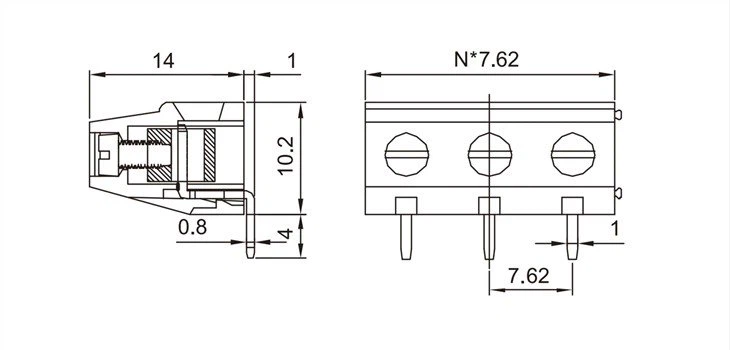
Avoid Cross - Threading
When inserting the screw, make sure it starts threading properly. Cross - threading can damage the threads in the connector and prevent a secure connection.
Regular Inspection and Maintenance
Even after proper installation, it's important to regularly inspect and maintain the PCB screw connectors. Here's what you can do:
Visual Inspection
Periodically check the connectors for any signs of damage, such as cracks, corrosion, or loose wires. If you notice any issues, replace the connector immediately.
Tightening Check
Over time, the screws in the connector can loosen due to vibration or thermal cycling. Check the tightness of the screws and retighten them if necessary.
Cleaning
If the connectors are exposed to dust or dirt, clean them using a suitable cleaning agent. Make sure the connectors are dry before reconnecting the wires.
Using High - Quality Materials
The quality of the materials used in the PCB screw connector can have a significant impact on its reliability. Here's why:
Conductive Materials
The conductive parts of the connector, such as the screws and the contact points, should be made of high - quality materials with good electrical conductivity. Copper and brass are commonly used due to their excellent conductivity.
Insulating Materials
The insulating materials in the connector should have good dielectric properties to prevent electrical leakage. They should also be able to withstand the environmental conditions where the connector will be used.
Consider Redundancy
In some applications, it may be a good idea to use redundant PCB screw connectors. This means having multiple connectors in parallel to provide a backup in case one fails. For example, in critical systems like aerospace or medical devices, redundancy can significantly improve the overall reliability of the electrical connection.
Compatibility with the PCB
The PCB screw connector must be compatible with the PCB itself. Here are some points to keep in mind:
Hole Size
The holes on the PCB where the connector will be mounted should be the correct size. If the holes are too large or too small, the connector may not fit properly, leading to a poor connection.
Pad Design
The pad design on the PCB should be suitable for the connector. The pads should be large enough to provide a good electrical contact and should be properly aligned with the connector's terminals.
Testing
Before putting the PCB with the screw connectors into service, it's a good idea to test the connections. You can use a multimeter to check the continuity and resistance of the connections. If the resistance is too high or there's no continuity, there may be a problem with the connection that needs to be addressed.
Conclusion
Improving the reliability of PCB screw connectors is a multi - step process that involves selecting the right connector, proper installation, regular inspection and maintenance, using high - quality materials, and testing. By following these tips, you can ensure that your PCB screw connectors provide a reliable electrical connection for your electronic devices.
If you're in the market for high - quality pcb screw terminal block or Terminal Block Without Pcb Screws For Connector, I'd love to talk to you. Whether you have questions about our products or are ready to place an order, feel free to reach out for a procurement discussion.
References
- Manufacturer datasheets of PCB screw connectors
- Industry standards for electrical connectors
- Technical articles on electronic component reliability