

How to ensure the safety of using Pcb Screw Terminal Blocks?
Aug 08, 2025
Ensuring the safety of using PCB screw terminal blocks is of paramount importance in various electrical and electronic applications. As a supplier of PCB screw terminal blocks, I understand the critical role these components play in maintaining a secure and reliable electrical connection. In this blog post, I will share some key strategies and best practices to ensure the safe use of PCB screw terminal blocks.
Understanding the Basics of PCB Screw Terminal Blocks
Before delving into safety measures, it's essential to have a clear understanding of what PCB screw terminal blocks are. PCB screw terminal blocks are electrical connectors used to connect multiple wires to a printed circuit board (PCB). They typically consist of a housing, screw terminals, and sometimes a clamping mechanism. The screw terminals allow for easy connection and disconnection of wires by tightening or loosening the screws.
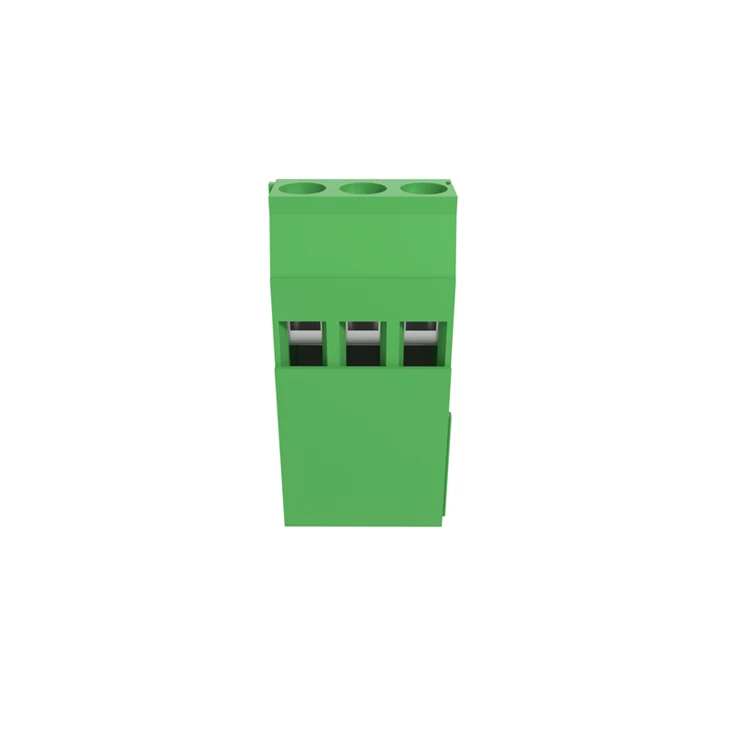

Selecting the Right Terminal Block
The first step in ensuring safety is to select the appropriate PCB screw terminal block for your application. Consider the following factors:
- Current Rating: The terminal block should be able to handle the maximum current that will flow through it without overheating. Make sure to choose a terminal block with a current rating higher than the expected current in your circuit.
- Voltage Rating: Similar to the current rating, the terminal block must have a voltage rating that exceeds the maximum voltage in your system. This helps prevent electrical breakdown and short circuits.
- Wire Size Compatibility: Ensure that the terminal block is compatible with the wire sizes you plan to use. Using wires that are too large or too small can lead to poor connections and potential safety hazards.
- Environmental Conditions: If the terminal block will be used in harsh environments, such as high humidity, extreme temperatures, or dusty conditions, choose a terminal block that is designed to withstand these conditions. For example, some terminal blocks are made with corrosion-resistant materials or have IP ratings for protection against dust and water.
Proper Installation
Proper installation is crucial for the safe operation of PCB screw terminal blocks. Follow these guidelines:
- Clean the PCB: Before installing the terminal block, make sure the PCB surface is clean and free of debris. Any dirt or contaminants can interfere with the electrical connection and cause problems.
- Align the Terminal Block: Carefully align the terminal block with the holes on the PCB. Use a soldering iron or other appropriate tools to secure the terminal block in place. Make sure the terminals are properly seated and there is no misalignment.
- Tighten the Screws: When connecting the wires to the terminal block, tighten the screws firmly but not too tightly. Over-tightening can damage the wires or the terminal block, while under-tightening can result in loose connections and increased resistance. Use a torque wrench if necessary to ensure consistent tightening.
- Avoid Overcrowding: Do not overcrowd the terminal block with too many wires. Leave enough space between the terminals to prevent short circuits and make it easier to access and maintain the connections.
Regular Inspection and Maintenance
Regular inspection and maintenance can help detect and prevent potential safety issues. Here are some tips:
- Visual Inspection: Periodically inspect the terminal block for signs of damage, such as cracks, burns, or loose screws. Check the wires for any signs of fraying or corrosion.
- Electrical Testing: Use a multimeter or other electrical testing equipment to check the continuity and resistance of the connections. Any significant changes in these values may indicate a problem.
- Cleaning: If the terminal block is dirty or contaminated, clean it using a suitable cleaning agent. Make sure to follow the manufacturer's instructions and avoid using abrasive materials that could damage the terminal block.
- Re-tightening: Over time, the screws in the terminal block may loosen due to vibration or thermal expansion. Periodically re-tighten the screws to ensure a secure connection.
Avoiding Common Mistakes
To ensure the safety of using PCB screw terminal blocks, it's important to avoid common mistakes:
- Using the Wrong Tools: Using improper tools, such as a screwdriver with the wrong size or shape, can damage the terminal block or the screws. Always use the recommended tools for installation and maintenance.
- Mixing Different Wire Sizes: Mixing different wire sizes in the same terminal block can lead to uneven current distribution and potential overheating. Stick to using the same wire size for all connections in a terminal block.
- Ignoring Manufacturer's Instructions: The manufacturer's instructions provide valuable information on the proper use, installation, and maintenance of the terminal block. Make sure to read and follow these instructions carefully.
- Overloading the Terminal Block: Do not exceed the current or voltage ratings of the terminal block. Overloading can cause the terminal block to overheat, leading to a fire or other safety hazards.
Training and Education
Proper training and education are essential for anyone working with PCB screw terminal blocks. Make sure that all personnel involved in the installation, maintenance, and operation of these components are trained on the correct procedures and safety precautions. This includes understanding the electrical principles, proper use of tools, and how to identify and address potential safety issues.
Conclusion
Ensuring the safety of using PCB screw terminal blocks requires careful consideration of various factors, from selecting the right terminal block to proper installation, regular inspection, and avoiding common mistakes. By following these guidelines, you can minimize the risk of electrical accidents and ensure the reliable operation of your electrical and electronic systems.
If you are interested in purchasing high-quality PCB screw terminal blocks, 5.08MM PCB SCREW TERMINAL BLOCK, or PCB Screw Type Terminal Block for Connection, please feel free to contact us for more information and to discuss your specific requirements. We are committed to providing our customers with the best products and services to meet their needs.
References
- Electrical Installation Handbook, Schneider Electric
- National Electrical Code (NEC), National Fire Protection Association (NFPA)
- Terminal Block Manufacturer's Documentation