

What is the temperature range for a Pcb Electric Terminal Block to work properly?
May 20, 2025
As a supplier of PCB Electric Terminal Blocks, understanding the temperature range within which these components can work properly is crucial. This knowledge not only ensures the optimal performance of the terminal blocks but also guarantees the safety and reliability of the entire electrical system. In this blog post, I will delve into the factors that influence the temperature range of PCB Electric Terminal Blocks and provide insights into maintaining their proper functioning.
Factors Affecting the Temperature Range
1. Material Properties
The materials used in the construction of PCB Electric Terminal Blocks play a significant role in determining their temperature range. Most terminal blocks are made of plastics and metals. Plastics, such as polyamide (PA) or polybutylene terephthalate (PBT), are commonly used for the housing due to their good insulation properties. However, different plastics have different heat resistance capabilities. For example, PA has a relatively lower heat deflection temperature compared to PBT. The metal parts, like the conductors, also have specific temperature limits. Copper, a common conductor material, has excellent electrical conductivity but can experience increased resistance and mechanical stress at high temperatures.
2. Electrical Load
The amount of electrical current flowing through the terminal block generates heat. Ohm's law states that the power dissipated as heat (P) is equal to the square of the current (I) multiplied by the resistance (R), i.e., P = I²R. As the current increases, the heat generated also increases. If the electrical load exceeds the rated capacity of the terminal block, the temperature can rise significantly, potentially leading to damage. Therefore, it is essential to select a terminal block with an appropriate current rating for the intended application.
3. Environmental Conditions
The ambient temperature in which the terminal block operates is a critical factor. If the surrounding environment is already hot, the terminal block has less capacity to dissipate the heat generated by the electrical current. Additionally, factors such as humidity, dust, and chemical exposure can also affect the performance of the terminal block at different temperatures. High humidity can cause corrosion of the metal parts, while dust can accumulate and insulate the terminal block, reducing its heat dissipation efficiency.
Typical Temperature Ranges
The temperature range for a PCB Electric Terminal Block to work properly typically varies depending on the specific product and its intended application. Generally, most standard terminal blocks can operate within a temperature range of -25°C to 85°C.
- Lower Temperature Limit (-25°C): At low temperatures, the plastics used in the terminal block can become brittle. This can lead to cracking or breaking, especially if the terminal block is subjected to mechanical stress. The metal conductors may also experience increased resistance, which can affect the electrical performance. However, some specialized terminal blocks are designed to operate at even lower temperatures, down to -40°C or below, for applications in cold environments such as refrigeration systems or outdoor installations in cold climates.
- Upper Temperature Limit (85°C): As the temperature approaches the upper limit, the insulation properties of the plastics can degrade. This can lead to electrical leakage, which is a safety hazard. The metal conductors can also expand, causing mechanical stress on the terminal block and potentially leading to loose connections. In some high - power applications, terminal blocks with a higher upper temperature limit, such as 105°C or 125°C, may be required.
Ensuring Proper Temperature Operation
1. Proper Sizing
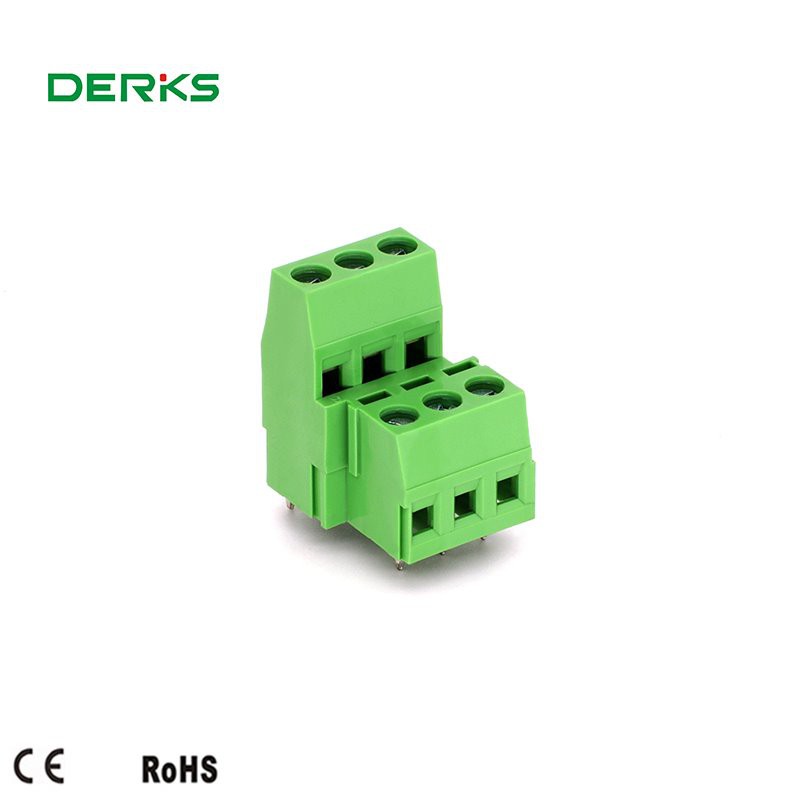
Selecting the right size of the terminal block based on the electrical load is essential. This includes considering the current rating, voltage rating, and the number of poles required. For example, if you are dealing with a high - current application, a Screw Type PCB Terminal Block for Electric with a larger cross - sectional area of the conductors may be necessary to handle the heat generated.
2. Adequate Ventilation
Providing sufficient ventilation around the terminal block can help dissipate the heat. This can be achieved by ensuring that there is enough space between the terminal block and other components in the PCB. In some cases, using heat sinks or fans can also be considered for applications with high heat generation.
3. Monitoring and Maintenance
Regularly monitoring the temperature of the terminal block can help detect any potential issues early. This can be done using temperature sensors or thermal imaging cameras. Additionally, performing routine maintenance, such as checking for loose connections and cleaning the terminal block, can ensure its proper functioning over time.
Applications and Temperature Requirements
1. Industrial Automation
In industrial automation systems, PCB Electric Terminal Blocks are used to connect various sensors, actuators, and control devices. These systems often operate in harsh environments with high temperatures. For example, in a manufacturing plant where there are large motors and electrical equipment, the ambient temperature can be quite high. In such applications, terminal blocks with a higher temperature range, such as 5.00mm Pitch PCB Terminal Block, may be required to ensure reliable operation.
2. Automotive Electronics
The automotive industry also relies on PCB Electric Terminal Blocks for electrical connections in vehicles. The temperature inside a car can vary greatly, from extremely cold in winter to very hot in summer. Terminal blocks used in automotive applications need to be able to withstand these wide temperature variations. They are often designed to operate within a temperature range of -40°C to 125°C to meet the demanding requirements of the automotive environment.
3. Renewable Energy Systems
Renewable energy systems, such as solar panels and wind turbines, also use PCB Electric Terminal Blocks. In solar power plants, the terminal blocks are exposed to direct sunlight, which can cause the temperature to rise significantly. Similarly, in wind turbines, the terminal blocks need to operate in various weather conditions. Terminal blocks used in these applications need to have a suitable temperature range to ensure long - term reliability.
Conclusion
In conclusion, the temperature range for a PCB Electric Terminal Block to work properly is influenced by various factors, including material properties, electrical load, and environmental conditions. Understanding these factors and selecting the right terminal block for the specific application is crucial for ensuring the safety and reliability of the electrical system. As a supplier of PCB Electric Terminal Block, we are committed to providing high - quality products that meet the diverse temperature requirements of different industries.
If you are in need of PCB Electric Terminal Blocks for your project and have specific temperature requirements, we would be more than happy to assist you. Our team of experts can help you select the most suitable terminal blocks for your application. Contact us to start a procurement discussion and ensure that your electrical system operates at its best.

References
- "Handbook of Electrical Connectors" by Charles A. DiMarzio
- "Electrical Engineering Materials" by Stephen C. Terry
- Industry standards and specifications for PCB Electric Terminal Blocks