

What is the standard size of a Pcb Screw Terminal Block?
May 19, 2025
Hey there! As a supplier of PCB screw terminal blocks, I often get asked about the standard size of these nifty little components. So, I thought I'd take some time to break it down for you in this blog post.
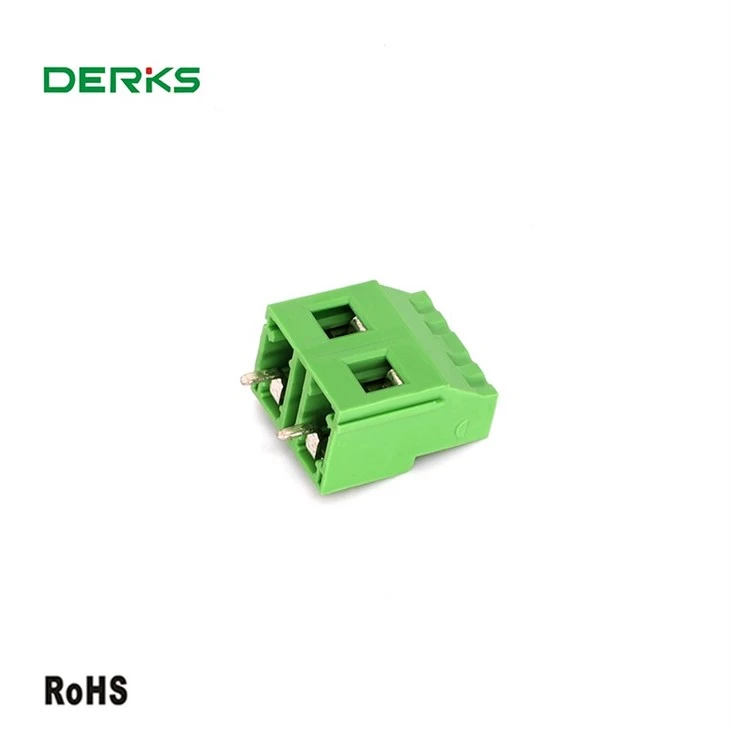
First off, let's talk about what a PCB screw terminal block is. A PCB screw terminal block, also known as a PCB Screw Type Terminal Block for Connection, is a device used to connect electrical wires to a printed circuit board (PCB). It provides a secure and reliable way to make electrical connections, and it's commonly used in a wide range of applications, from industrial control systems to consumer electronics.
Now, onto the question at hand: what is the standard size of a PCB screw terminal block? Well, the truth is, there isn't a one - size - fits - all answer. The size of a PCB screw terminal block can vary depending on several factors, including the number of poles, the current rating, and the pitch.
Number of Poles
The number of poles refers to the number of individual connection points on the terminal block. Terminal blocks can have anywhere from 1 pole to dozens of poles. For simple applications where you only need to connect one or two wires, a 1 - or 2 - pole terminal block might be sufficient. For more complex circuits that require multiple connections, you'll need a terminal block with a higher number of poles.
For example, a 7.62mm 2 - 3poles Screw Terminal Block is a popular choice for applications that need a small number of connections. The 2 - pole version can be used to connect two wires, while the 3 - pole version can handle three wires.
Current Rating
The current rating of a terminal block indicates the maximum amount of electrical current it can safely carry. Terminal blocks with higher current ratings are typically larger in size because they need to have larger conductors and more surface area to dissipate heat.
If you're working on a low - power circuit, such as a battery - powered device, you can get away with a terminal block with a lower current rating. But for high - power applications, like industrial machinery or power supplies, you'll need a terminal block with a higher current rating.
Pitch
The pitch is the distance between the centers of adjacent poles on the terminal block. Common pitch sizes for PCB screw terminal blocks include 2.54mm, 3.5mm, 5.08mm, and 7.62mm.
A smaller pitch means that the terminal block can have more poles in a smaller space, which is great for applications where space is limited. However, terminal blocks with a smaller pitch may have a lower current rating due to the smaller conductors.

On the other hand, a larger pitch allows for larger conductors, which can handle higher currents. But these terminal blocks take up more space on the PCB.
Common Standard Sizes
There are some common standard sizes that are widely used in the industry. For low - power, space - constrained applications, 2.54mm pitch terminal blocks are very popular. They're small and can be used to make dense connections on a PCB.
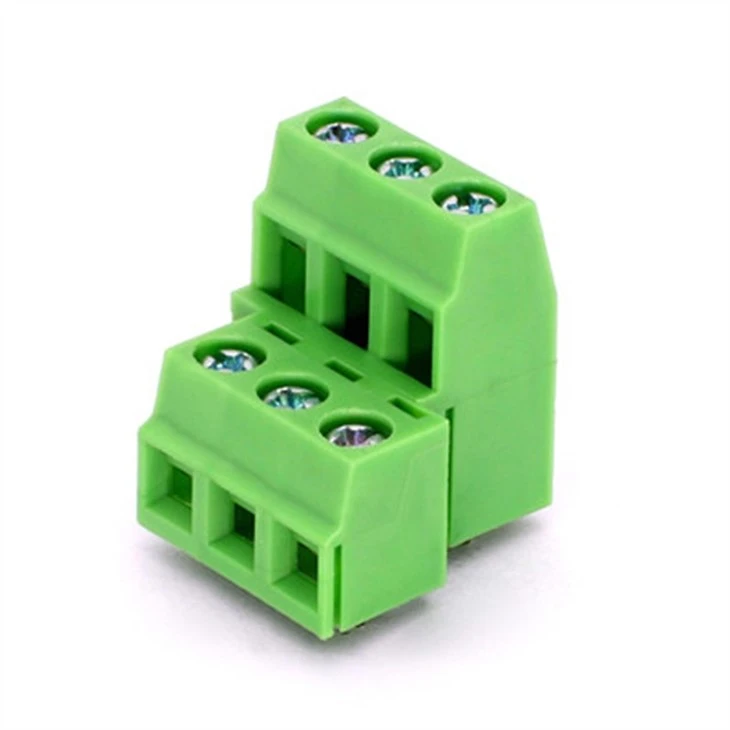
The 5.08mm pitch terminal blocks are a good middle - ground. They can handle a moderate amount of current and are commonly used in a variety of applications, from home appliances to automotive electronics.
The 7.62mm pitch terminal blocks are often used in high - power applications. They have larger conductors and can handle higher currents, making them suitable for industrial control systems and power distribution.
Custom Sizes
While there are standard sizes available, sometimes you may need a custom - sized PCB screw terminal block for your specific application. Maybe you have a unique PCB layout that requires a non - standard pitch or a specific number of poles.
As a supplier, we're able to offer custom - made PCB screw terminal blocks. We can work with you to understand your requirements and design a terminal block that meets your exact needs. Whether it's a different pitch, a special shape, or a specific current rating, we've got you covered.
Choosing the Right Size
So, how do you choose the right size of PCB screw terminal block for your project? Here are a few things to consider:
- Application Requirements: Think about the electrical requirements of your circuit, such as the current and voltage. Make sure the terminal block you choose can handle these requirements safely.
- Space Constraints: Look at the available space on your PCB. If space is limited, you'll need to choose a terminal block with a smaller pitch or fewer poles.
- Future Expansion: Consider whether you might need to add more connections in the future. If so, it might be a good idea to choose a terminal block with more poles than you currently need.
Quality and Reliability
When it comes to PCB screw terminal blocks, quality and reliability are key. You want a terminal block that will provide a stable electrical connection over a long period of time, even in harsh environments.
At our company, we use high - quality materials and advanced manufacturing processes to ensure the reliability of our PCB Screw terminal block. Our terminal blocks are designed to withstand vibration, temperature changes, and other environmental factors.
Conclusion
In conclusion, there isn't a single standard size for PCB screw terminal blocks. The size you choose depends on your specific application requirements, including the number of poles, current rating, and pitch. Whether you need a standard - sized terminal block or a custom - made one, we're here to help.
If you're in the market for PCB screw terminal blocks, we'd love to have a chat with you. We can provide you with detailed product information, help you choose the right size for your project, and offer competitive pricing. Don't hesitate to reach out for a purchase negotiation. We're confident that we can meet your needs and provide you with high - quality products.
References
- "Electrical Connectors Handbook"
- Industry standards related to PCB screw terminal blocks.