

What is the grounding method for a Pcb Electric Terminal Block?
Sep 19, 2025
Hey there! As a supplier of PCB Electric Terminal Blocks, I often get asked about the grounding method for these nifty little components. So, I thought I'd take a moment to break it down for you in a way that's easy to understand.
First off, let's talk about why grounding is so important. In a PCB Electric Terminal Block, grounding serves several crucial functions. It helps to protect against electrical shock by providing a safe path for electrical current to flow in the event of a fault. It also helps to reduce electromagnetic interference (EMI), which can cause problems with the performance of electronic devices. And finally, grounding helps to stabilize the electrical potential of the system, ensuring that everything operates smoothly.
Now, let's get into the different grounding methods for a PCB Electric Terminal Block. There are a few common approaches, each with its own advantages and disadvantages.
1. Direct Grounding
One of the simplest and most straightforward grounding methods is direct grounding. This involves connecting the terminal block directly to the ground plane of the PCB. The ground plane is a large area of copper on the PCB that serves as a common reference point for all electrical signals.
To implement direct grounding, you'll need to use a grounding pad or via on the PCB. A grounding pad is a small area of copper on the surface of the PCB that is connected to the ground plane. A via is a small hole in the PCB that is filled with metal and connects different layers of the PCB.
To connect the terminal block to the grounding pad or via, you can use a solder joint or a screw. Solder joints are a common choice because they provide a reliable and low-resistance connection. However, they can be difficult to work with if you're not experienced with soldering. Screws are a simpler option, but they may not provide as low a resistance as a solder joint.
Direct grounding is a great option if you're looking for a simple and reliable grounding method. It's also a good choice if you're working with a small PCB or if you don't have a lot of space for additional grounding components.
2. Indirect Grounding
Another option for grounding a PCB Electric Terminal Block is indirect grounding. This involves using a grounding wire or cable to connect the terminal block to a separate grounding point, such as a chassis or a ground rod.
Indirect grounding is often used in situations where the terminal block is located far away from the ground plane of the PCB or where there are multiple terminal blocks that need to be grounded. It's also a good choice if you need to provide additional protection against electrical shock or EMI.
To implement indirect grounding, you'll need to use a grounding wire or cable that is rated for the appropriate voltage and current. You'll also need to make sure that the grounding wire or cable is properly connected to the terminal block and the grounding point.
One advantage of indirect grounding is that it allows you to isolate the terminal block from the PCB ground plane, which can help to reduce the risk of electrical interference. However, it can also be more complex and expensive to implement than direct grounding.
3. Grounding Through a Capacitor
A third option for grounding a PCB Electric Terminal Block is grounding through a capacitor. This involves connecting a capacitor between the terminal block and the ground plane of the PCB.
The capacitor acts as a filter, blocking DC current while allowing AC current to pass through. This helps to reduce the amount of electrical noise and interference that can affect the performance of the terminal block.
To implement grounding through a capacitor, you'll need to choose a capacitor with the appropriate capacitance and voltage rating. You'll also need to make sure that the capacitor is properly connected to the terminal block and the ground plane.
Grounding through a capacitor is a good option if you're looking for a way to reduce electrical noise and interference in your system. However, it can be more complex and expensive to implement than direct or indirect grounding.
4. Grounding Through a Resistor
Finally, you can also ground a PCB Electric Terminal Block through a resistor. This involves connecting a resistor between the terminal block and the ground plane of the PCB.
The resistor acts as a current limiter, reducing the amount of current that flows through the terminal block in the event of a fault. This helps to protect the terminal block and other components on the PCB from damage.
To implement grounding through a resistor, you'll need to choose a resistor with the appropriate resistance and power rating. You'll also need to make sure that the resistor is properly connected to the terminal block and the ground plane.
Grounding through a resistor is a good option if you're looking for a way to protect your system from electrical faults. However, it can also increase the resistance of the grounding path, which can affect the performance of the terminal block.
Choosing the Right Grounding Method
So, which grounding method is right for your PCB Electric Terminal Block? The answer depends on a few factors, including the size and complexity of your system, the level of electrical noise and interference that you're dealing with, and the specific requirements of your application.
If you're working with a small PCB or if you don't have a lot of space for additional grounding components, direct grounding may be the best option. It's simple, reliable, and easy to implement.
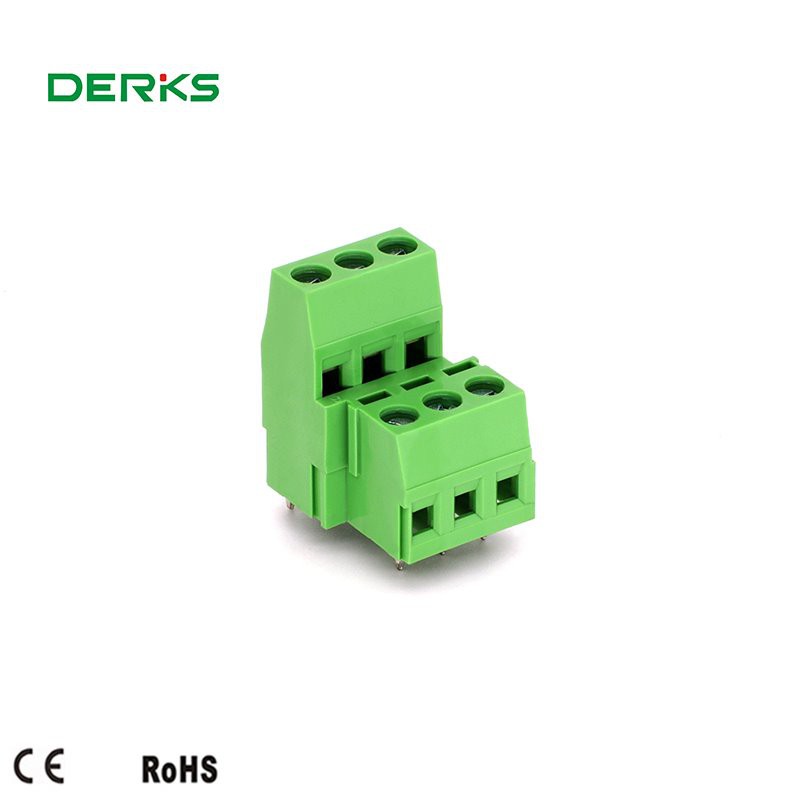

If you're dealing with a large or complex system, or if you need to provide additional protection against electrical shock or EMI, indirect grounding may be a better choice. This method allows you to isolate the terminal block from the PCB ground plane and provides a more flexible grounding solution.
If you're looking for a way to reduce electrical noise and interference in your system, grounding through a capacitor may be the way to go. This method can help to improve the performance of the terminal block and other components on the PCB.
Finally, if you're looking for a way to protect your system from electrical faults, grounding through a resistor may be the best option. This method can help to prevent damage to the terminal block and other components in the event of a fault.
Conclusion
In conclusion, grounding is an important part of any PCB Electric Terminal Block system. It helps to protect against electrical shock, reduce electromagnetic interference, and stabilize the electrical potential of the system.
There are several different grounding methods that you can use, each with its own advantages and disadvantages. The key is to choose the method that best suits your specific application and requirements.
If you're still not sure which grounding method is right for you, or if you have any other questions about PCB Electric Terminal Blocks, please don't hesitate to contact me. I'm always happy to help!
And if you're interested in purchasing a PCB Electric Terminal Block, be sure to check out our selection of PCB Terminal Block with Screw Holes, Screw Type PCB Terminal Block for Electric, and PCB Electric Terminal Block. We offer a wide range of high-quality terminal blocks at competitive prices.
Thanks for reading!
References
- Printed Circuit Board Design Handbook, Third Edition by Barry Olney
- Electronic Circuit Design for Engineers by R. A. Pease
- Grounding and Shielding Techniques in Instrumentation, Fourth Edition by Ralph Morrison