

What is the grounding method for 3.81mm Pitch Pluggable Connector?
Sep 01, 2025
Hey there! As a supplier of 3.81mm Pitch Pluggable Connectors, I often get asked about the grounding method for these nifty little components. So, I thought I'd take a few minutes to break it down for you.
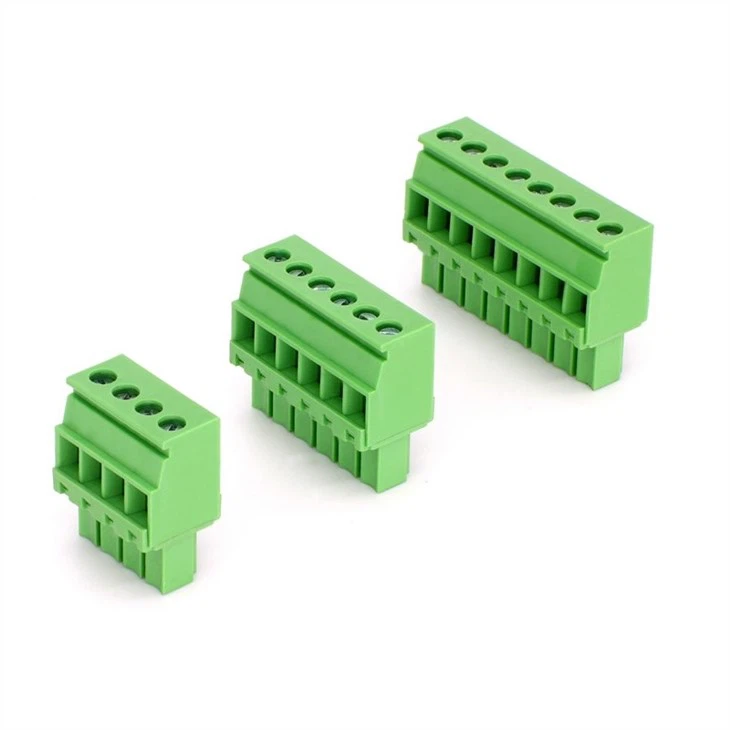
First off, let's talk a bit about what a 3.81mm Pitch Pluggable Connector is. It's a type of connector that's designed to provide a reliable and easy - to - use connection in various electrical and electronic applications. The "3.81mm pitch" refers to the distance between the centers of adjacent terminals. This specific pitch is quite popular in many industries because it offers a good balance between space efficiency and the ability to handle a reasonable amount of current.
Now, onto the grounding method. Grounding is super important for these connectors as it helps to ensure electrical safety, reduce electromagnetic interference (EMI), and prevent static buildup. There are a few different ways to ground a 3.81mm Pitch Pluggable Connector, and I'll go through each of them.
Direct Grounding
One of the simplest ways to ground the connector is through direct grounding. This involves connecting the grounding terminal of the connector directly to a reliable ground point. The grounding terminal is usually clearly marked on the connector. You can use a wire with an appropriate gauge to make this connection. For example, if you're dealing with a low - current application, a thin wire might be sufficient. But for high - current applications, you'll need a thicker wire to handle the current without overheating.
When making the connection, it's crucial to ensure that the wire is securely attached to both the grounding terminal of the connector and the ground point. You can use soldering, crimping, or screw - type terminals for this purpose. Soldering provides a very strong and reliable connection, but it requires some skill and the right equipment. Crimping is a bit easier and can be done with a simple crimping tool. Screw - type terminals are also a popular choice as they allow for easy installation and removal if needed.
Grounding through a Ground Plane
Another common method is grounding through a ground plane. In a printed circuit board (PCB) design, a ground plane is a large area of copper that serves as a common ground for all the components on the board. When using a 3.81mm Pitch Pluggable Connector on a PCB, you can connect the grounding terminal of the connector to the ground plane.
This can be done by drilling a via (a small hole) through the PCB and soldering a trace from the grounding terminal of the connector to the ground plane. The advantage of using a ground plane is that it provides a low - impedance path for the electrical current, which helps to reduce EMI and improve the overall performance of the circuit.
Using a Grounding Clip
In some cases, especially when the connector is used in a non - PCB environment or for quick installations, a grounding clip can be used. A grounding clip is a small metal clip that can be attached to the grounding terminal of the connector and then connected to a ground point. It's a convenient and easy - to - use solution, but it may not be as reliable as the other methods in high - vibration or high - current applications.
Now, let's talk about some of the factors you need to consider when choosing a grounding method.
Current Rating
The current rating of the application is a crucial factor. If the current is high, you need to make sure that the grounding method can handle the current without overheating. For example, a thin wire might not be suitable for a high - current application as it could melt or cause a fire hazard.
EMI Requirements
If your application is sensitive to electromagnetic interference, you'll need to choose a grounding method that can effectively reduce EMI. Grounding through a ground plane is often a good choice in such cases as it provides a large surface area for the current to flow, which helps to reduce the magnetic fields generated by the current.

Physical Space
The physical space available in your application also matters. If you're working in a tight space, a direct grounding method using a short wire might be the best option. On the other hand, if you have more space, you can consider using a more elaborate grounding method like grounding through a ground plane.
As a supplier of 3.81mm Pitch Pluggable Connectors, I understand that different customers have different needs. That's why we offer a wide range of connectors with various features and specifications to meet your requirements. Whether you need a connector for a low - current, low - EMI application or a high - current, high - reliability application, we've got you covered.
If you're also interested in other types of connectors, we also supply 5.00mm Pitch Plug-in Connector and 4 Position 7.62 Mm Pluggable Terminal Blocks. These connectors are also of high quality and can be used in a variety of applications.
If you're looking to purchase 3.81mm Pitch Pluggable Connectors or have any questions about grounding methods or our products in general, don't hesitate to get in touch. We're always here to help you find the right solution for your needs. You can visit our product page for 3.81mm Pitch Pluggable Connector to learn more about our offerings.
In conclusion, grounding a 3.81mm Pitch Pluggable Connector is an important step in ensuring the safety and performance of your electrical and electronic systems. By choosing the right grounding method based on your application's requirements, you can make the most of these connectors and avoid potential problems.
References
- Electrical Engineering Handbook, various editions
- Printed Circuit Board Design for Dummies