

How to ensure proper wiring of a Pcb Pluggable Terminal Block?
Jan 12, 2026
Proper wiring of a PCB pluggable terminal block is crucial for ensuring the reliability and safety of electrical connections in various applications. As a supplier of high - quality PCB pluggable terminal blocks, I understand the importance of providing clear guidance on how to carry out this essential task. In this blog, I will share some key steps and considerations to help you ensure proper wiring of a PCB pluggable terminal block.
1. Understanding Your Terminal Block
Before you start wiring, it's essential to have a thorough understanding of the specific PCB pluggable terminal block you are using. Different terminal blocks come with various features such as pin count, pitch, and connection types. For instance, the 2 - 24 Pins PCB Pluggable Connector offers a range of pin configurations to meet different application needs.

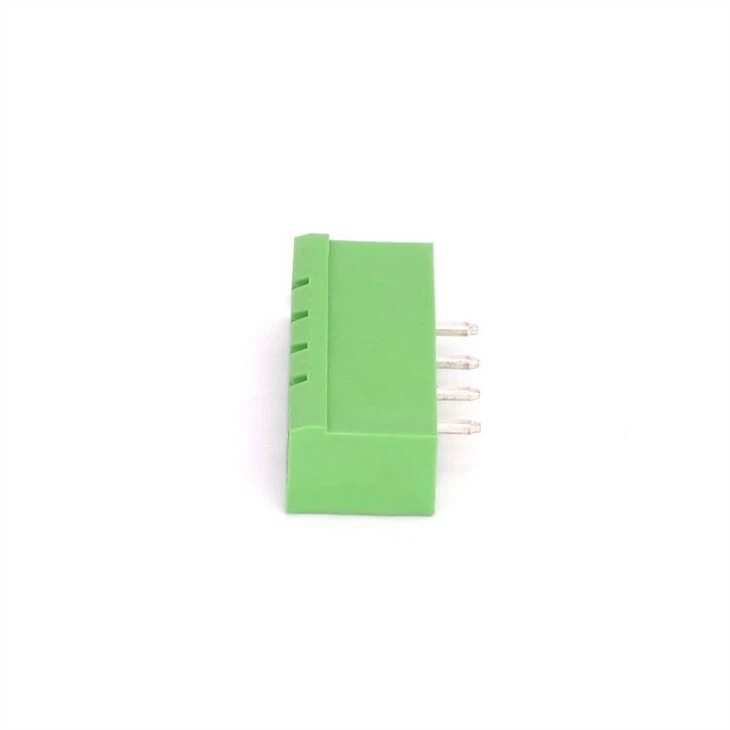
The pitch of the terminal block, which is the distance between adjacent pins, is also an important factor. A common pitch is 5.00mm, like in the 5.00mm Pitch Euro Block Connector PCB Terminal. Knowing the pitch helps you to ensure that the wires you use are appropriate for the spacing and that they can be inserted correctly.
2. Selecting the Right Wires
Choosing the correct wires is a fundamental step in proper wiring. The wire gauge should be compatible with the terminal block's specifications. Thicker wires (lower gauge numbers) can carry more current but may not fit into terminal blocks designed for thinner wires. Conversely, using wires that are too thin for the current requirements can lead to overheating and potential safety hazards.
The insulation of the wires is also important. It should be rated for the voltage and environmental conditions of the application. Additionally, make sure the insulation is flexible enough to allow for easy insertion into the terminal block without causing damage.
3. Preparing the Wires
Once you have selected the right wires, you need to prepare them for connection. Start by stripping the insulation from the ends of the wires. The length of the stripped section should be appropriate for the terminal block. If it's too short, the wire may not make a proper connection, and if it's too long, it can cause short - circuits or interfere with adjacent connections.
Use a wire stripper that is suitable for the wire gauge you are working with. Make clean cuts to ensure that the bare wire is free from nicks or frays, as these can affect the quality of the connection.
4. Inserting the Wires into the Terminal Block
When inserting the wires into the terminal block, it's important to follow the manufacturer's instructions. Some terminal blocks use screw - based connections, where you need to loosen the screw, insert the wire, and then tighten the screw to secure the connection. Others, like the Screw - free Pluggable Terminal Block for Pvb, offer a simpler and faster way of connecting wires.
For screw - based terminal blocks, make sure the wire is fully inserted into the terminal and that the screw is tightened to the appropriate torque. Over - tightening can damage the wire or the terminal, while under - tightening can result in a loose connection that may cause overheating or intermittent electrical problems.
In the case of screw - free terminal blocks, follow the specific mechanism for inserting and locking the wire. Usually, this involves pushing the wire into a slot and then using a locking mechanism to secure it in place.
5. Testing the Connections
After wiring all the necessary wires to the terminal block, it's crucial to test the connections. Use a multimeter to check for continuity between the wires and the corresponding terminals. This will help you identify any open circuits or incorrect connections.
You should also check the voltage and current levels, especially in high - power applications. Make sure they are within the rated values of the terminal block and the overall electrical system. If any problems are detected, double - check the wiring and make the necessary adjustments.
6. Securing the Terminal Block
Once you have verified that the wiring is correct and the connections are secure, it's time to secure the terminal block to the PCB. Use the appropriate mounting hardware provided with the terminal block. Make sure it is firmly attached to the PCB to prevent any movement or vibration that could cause the connections to loosen over time.
7. Environmental Considerations
The environment in which the PCB pluggable terminal block will operate can have a significant impact on its performance. If the application is in a high - humidity or corrosive environment, you may need to choose a terminal block with appropriate protection. Some terminal blocks come with features such as sealed enclosures or corrosion - resistant materials.
Temperature is another important factor. Extreme temperatures can cause the materials in the terminal block and the wires to expand or contract, which may affect the connections. Make sure the terminal block is rated for the temperature range of the application.
8. Labeling and Documentation
To facilitate future maintenance and troubleshooting, it's a good practice to label the wires and the terminal block. Use clear and permanent labels to indicate the function of each wire and the corresponding terminal. This will make it easier for technicians to understand the wiring layout and identify any issues quickly.
Documentation is also essential. Keep a record of the wiring diagram, the specifications of the terminal block, and any testing results. This information will be valuable for future reference and for ensuring the long - term reliability of the electrical system.
In conclusion, ensuring proper wiring of a PCB pluggable terminal block requires attention to detail, from understanding the terminal block's specifications to testing and documenting the connections. By following these steps and considering the environmental factors, you can ensure a reliable and safe electrical connection.
If you are in the market for high - quality PCB pluggable terminal blocks, our company is here to meet your needs. We offer a wide range of products with excellent performance and reliability. For more information or to discuss your specific requirements, feel free to contact us for a professional procurement consultation.
References
- Electrical Wiring Handbook
- Terminal Block Manufacturer's Technical Manuals