

How to choose the right Pcb Pluggable Terminal Block?
Sep 17, 2025
Hey there! As a supplier of PCB Pluggable Terminal Blocks, I've seen firsthand how crucial it is to choose the right one for your project. In this blog, I'll share some tips and insights to help you make an informed decision.
Understanding Your Needs
First things first, you need to figure out what you need from a PCB Pluggable Terminal Block. Think about the specific requirements of your application. Are you working on a small-scale project or a large industrial one? What kind of electrical load will the terminal block need to handle? These are the questions you gotta ask yourself.
For instance, if you're dealing with high-voltage applications, you'll need a terminal block that can handle the voltage without any issues. On the other hand, if space is a constraint, you might want to look for a compact terminal block.
Types of PCB Pluggable Terminal Blocks
There are different types of PCB Pluggable Terminal Blocks out there, and each has its own pros and cons.
Screw Terminal Blocks
Screw terminal blocks are one of the most common types. They use screws to secure the wires in place. They're pretty reliable and can handle a wide range of wire sizes. However, they can be a bit time-consuming to install, especially if you have a lot of wires to connect.
Screw-free Terminal Blocks
Screw-free terminal blocks, like the Screw-free Pluggable Terminal Block for Pvb, are a great alternative. They use spring-loaded mechanisms to hold the wires, which makes installation a breeze. They're also less likely to come loose over time, which is a big plus.
Euro Block Connectors
Euro block connectors, such as the 5.00mm Pitch Euro Block Connector PCB Terminal, are another popular option. They're known for their high density and modular design, which makes them ideal for applications where space is limited.
Key Features to Consider
When choosing a PCB Pluggable Terminal Block, there are several key features you should keep in mind.
Current Rating
The current rating is one of the most important features. It tells you how much electrical current the terminal block can safely carry. Make sure to choose a terminal block with a current rating that's higher than the maximum current your application will draw.
Voltage Rating
Just like the current rating, the voltage rating is also crucial. It indicates the maximum voltage the terminal block can handle. Using a terminal block with a voltage rating that's too low can lead to electrical problems and even pose a safety hazard.
Wire Size Compatibility
You need to make sure that the terminal block is compatible with the wire sizes you'll be using. Most terminal blocks have a specified range of wire sizes they can accommodate. Check the product specifications to ensure a proper fit.
Insulation Resistance
Insulation resistance is a measure of how well the terminal block prevents electrical current from leaking. A high insulation resistance is important for safety and to prevent electrical interference.
Temperature Range
Consider the temperature range in which the terminal block will operate. Some terminal blocks are designed to work in extreme temperatures, while others are more suitable for normal environments. Make sure to choose a terminal block that can withstand the temperature conditions of your application.
Quality and Reliability
Quality and reliability are non-negotiable when it comes to PCB Pluggable Terminal Blocks. You don't want to end up with a terminal block that fails after a short period of use. Look for a supplier that offers high-quality products and has a good reputation in the industry.
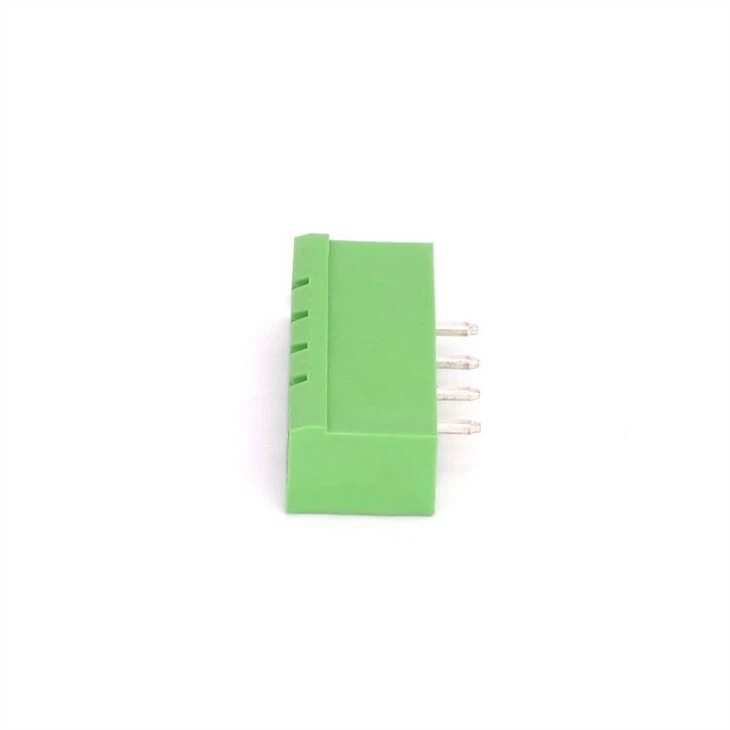
At our company, we take pride in providing top-notch PCB Pluggable Terminal Blocks. Our products are rigorously tested to ensure they meet the highest standards of quality and reliability. We use only the best materials and manufacturing processes to ensure that our terminal blocks perform flawlessly in even the most demanding applications.

Cost
Cost is always a factor when making a purchasing decision. However, it's important not to compromise on quality for the sake of saving a few bucks. A cheap terminal block might seem like a good deal at first, but it could end up costing you more in the long run if it fails or causes problems.
That being said, there are ways to find a good balance between cost and quality. Look for suppliers that offer competitive prices without sacrificing on quality. You can also compare prices from different suppliers to get the best deal.
Installation and Maintenance
The ease of installation and maintenance is another important consideration. A terminal block that's easy to install can save you a lot of time and effort, especially if you have a large number of connections to make.
Make sure to follow the installation instructions carefully to ensure a proper installation. Regular maintenance is also important to keep the terminal block in good working condition. This might include checking for loose connections, cleaning the terminals, and replacing any worn-out parts.
Conclusion
Choosing the right PCB Pluggable Terminal Block is crucial for the success of your project. By understanding your needs, considering the different types and key features, and paying attention to quality, reliability, cost, and installation, you can make an informed decision.
If you're in the market for a high-quality PCB Pluggable Terminal Block, check out our PCB Pluggable Terminal Block products. We're confident that you'll find the perfect solution for your application.
If you have any questions or need further assistance, don't hesitate to reach out. We're here to help you make the right choice and ensure the success of your project. Let's start a conversation and see how we can work together to meet your needs.
References
- Industry standards and guidelines for PCB Pluggable Terminal Blocks
- Product specifications and datasheets from various manufacturers