

Do Din Rail Enclosures need grounding?
Dec 05, 2025
Hey there! As a supplier of Din Rail Enclosures, I often get asked a crucial question: "Do Din Rail Enclosures need grounding?" Well, let's dive right into this topic and find out the answer.
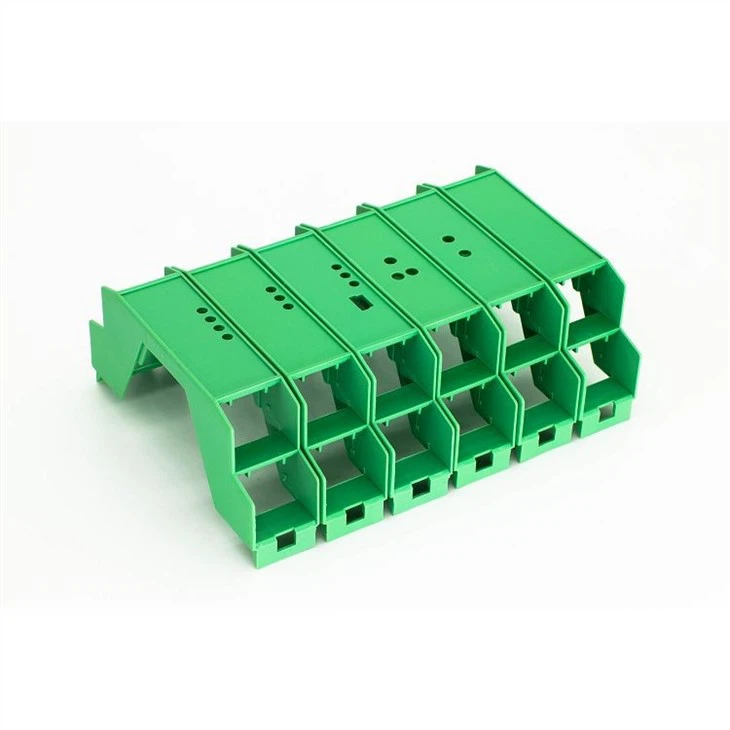
First off, let's understand what Din Rail Enclosures are. These enclosures are used to house various electrical components like circuit boards, terminal blocks, and other electronic devices. They come in different shapes and sizes, and are commonly used in industrial, commercial, and residential settings. You can check out our Din Rail PCB Enclosure and Din Rail Mounted Enclosures for more details.
Now, let's talk about grounding. Grounding is a safety measure that connects an electrical system to the earth. It provides a path for electrical current to flow safely in case of a fault, such as a short circuit. When an electrical device is grounded, any excess electrical charge is directed to the ground, preventing it from causing harm to people or damage to equipment.
So, do Din Rail Enclosures need grounding? The answer is, it depends. In some cases, grounding is absolutely necessary for safety reasons. For example, if the enclosure houses electrical components that are connected to a high-voltage power source, grounding is essential to prevent electrical shock. Similarly, if the enclosure is located in an area where there is a risk of lightning strikes, grounding can help protect the equipment inside.

On the other hand, if the enclosure houses low-voltage components that are not connected to a high-voltage power source, grounding may not be necessary. For example, if the enclosure is used to house a small electronic device that operates on a battery or a low-voltage power supply, grounding may not be required.
Another factor to consider is the type of environment in which the enclosure is used. If the enclosure is located in a wet or humid environment, grounding can help prevent corrosion and electrical shorts. Similarly, if the enclosure is located in an area where there is a lot of electrical interference, grounding can help reduce the noise and improve the performance of the equipment inside.
In addition to safety and environmental factors, there are also regulatory requirements that may require grounding of Din Rail Enclosures. For example, in some countries, electrical codes require that all electrical enclosures be grounded to prevent electrical shock and fire hazards. Therefore, it's important to check the local electrical codes and regulations before deciding whether or not to ground your Din Rail Enclosure.
So, how do you ground a Din Rail Enclosure? The process is relatively simple. First, you need to identify a suitable grounding point, such as a grounding rod or a grounding bus bar. Then, you need to connect the enclosure to the grounding point using a grounding wire. The grounding wire should be of the appropriate size and type, and should be securely connected to both the enclosure and the grounding point.
It's also important to note that grounding alone may not be enough to ensure the safety of your electrical system. You also need to make sure that the enclosure is properly installed and maintained, and that all electrical components inside the enclosure are properly rated and installed.
In conclusion, whether or not Din Rail Enclosures need grounding depends on a variety of factors, including the type of components housed inside the enclosure, the environment in which the enclosure is used, and the regulatory requirements in your area. As a supplier of Din Rail Enclosures, we recommend that you consult with a qualified electrician or electrical engineer to determine the best grounding solution for your specific application.
If you're interested in purchasing Din Rail Enclosures, or if you have any questions about grounding or other aspects of our products, please don't hesitate to contact us. We're here to help you find the right solution for your electrical needs.
References:
- Electrical Safety Codes and Standards
- Industry Best Practices for Electrical Enclosure Grounding