

Can the locking mechanism of a Pcb Pluggable Terminal Block be adjusted?
Jul 22, 2025
Hey there! As a supplier of PCB Pluggable Terminal Blocks, I often get asked a bunch of questions from customers. One question that pops up quite a bit is, "Can the locking mechanism of a PCB Pluggable Terminal Block be adjusted?" Well, let's dive right into it and break this down.
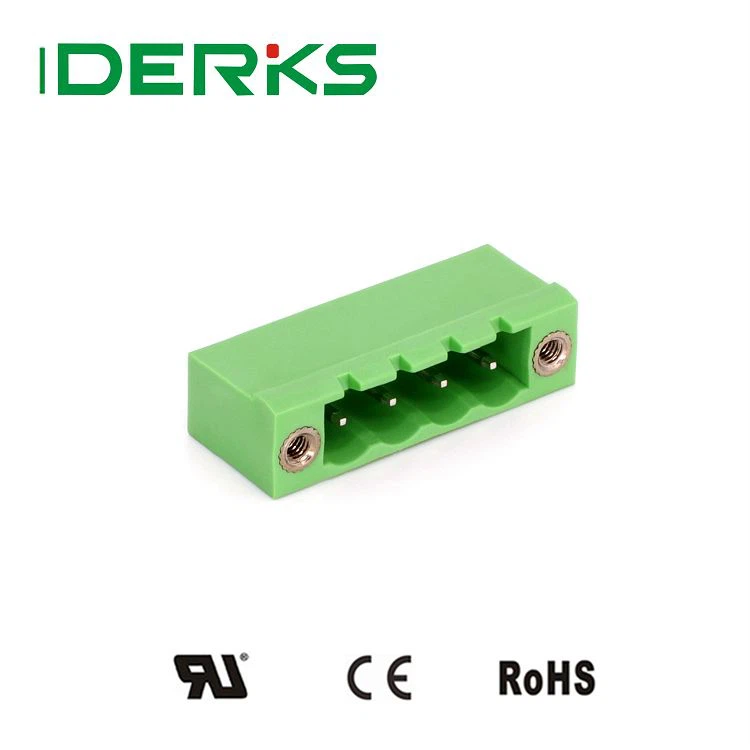
First off, what exactly is a PCB Pluggable Terminal Block? For those who might not know, a PCB Pluggable Terminal Block is a device used to connect wires to a printed circuit board (PCB). It's designed to be easily plugged in and removed, which makes it super convenient for various applications, like in electrical equipment, automation systems, and so on.
Now, let's talk about the locking mechanism. The locking mechanism in a PCB Pluggable Terminal Block is crucial. It ensures that the connection between the terminal block and the PCB is secure. A loose connection can lead to all sorts of problems, such as poor electrical conductivity, intermittent signals, and even safety hazards.
So, can it be adjusted? The short answer is, it depends. There are different types of PCB Pluggable Terminal Blocks out there, and each might have a different locking mechanism.
Some terminal blocks come with a simple snap - on locking mechanism. These are usually designed to fit snugly onto the PCB, and once they're in place, they're pretty much locked. In most cases, these snap - on mechanisms aren't really adjustable. They're made to provide a fixed level of locking force. Once you plug the terminal block onto the PCB, the snaps engage, and that's it. You can't really change how tight or loose the snap is.
On the other hand, there are terminal blocks with more advanced locking mechanisms. For example, some use screws or levers to lock the terminal block onto the PCB. These types of locking mechanisms can often be adjusted.
If it's a screw - based locking mechanism, you can use a screwdriver to tighten or loosen the screws. Tightening the screws will increase the locking force, making the connection more secure. This can be useful if you're in an environment where there's a lot of vibration or movement. Loosening the screws, on the other hand, can make it easier to remove the terminal block when you need to do maintenance or make changes to the circuit.
Lever - based locking mechanisms are also adjustable. You can move the lever to different positions to change the locking force. Some levers have multiple settings, allowing you to customize the tightness of the connection according to your needs.
Let's take a look at some specific products. The 5.00mm Pitch Euro Block Connector PCB Terminal is a popular choice. This terminal block has a well - designed locking mechanism. It's engineered to provide a reliable connection. In some versions of this product, the locking mechanism can be adjusted. You can use a small tool to fine - tune the locking force, ensuring that it's just right for your application.
Another great product is the Universal Pluggable PCB Connector. This connector is known for its versatility. It comes with a locking mechanism that can be adjusted to fit different PCB thicknesses and connection requirements. Whether you need a tight connection for a high - vibration environment or a looser connection for easy removal during testing, this connector has you covered.
When considering adjusting the locking mechanism, there are a few things you need to keep in mind. First of all, don't over - tighten. If you tighten the locking mechanism too much, you could damage the terminal block or the PCB. This can lead to costly repairs or replacements.
Secondly, make sure you're using the right tools. Using the wrong tool can damage the locking mechanism and make it less effective. For example, if you're using a screw - based locking mechanism, use the appropriate screwdriver size.
Lastly, always follow the manufacturer's instructions. Each terminal block is designed differently, and the manufacturer's guidelines will tell you the correct way to adjust the locking mechanism.
So, why is it important to be able to adjust the locking mechanism? Well, different applications have different requirements. In a factory setting where there's a lot of machinery vibration, you'll want a tight connection to prevent the terminal block from coming loose. On the other hand, in a research or development environment where you might need to make frequent changes to the circuit, a looser connection can save you time and effort.
As a supplier, we understand the importance of providing high - quality PCB Pluggable Terminal Blocks with adjustable locking mechanisms. We offer a wide range of products to meet different customer needs. Whether you're looking for a simple snap - on terminal block or a more advanced screw - or lever - based one, we've got you covered.
If you're in the market for PCB Pluggable Terminal Blocks and have questions about the locking mechanism or any other aspect of our products, don't hesitate to reach out. We're here to help you find the right solution for your application. Whether you're an electrical engineer, a DIY enthusiast, or a business owner looking to source terminal blocks for your products, we can provide you with the information and support you need.
In conclusion, while not all PCB Pluggable Terminal Block locking mechanisms can be adjusted, many of the more advanced ones can. It's important to understand the type of locking mechanism your terminal block has and how to adjust it properly. This will ensure a secure and reliable connection for your electrical circuits. So, if you're interested in learning more about our products or need advice on choosing the right terminal block, feel free to contact us. We're eager to start a conversation and help you with your procurement needs.

References
- Electrical Engineering Handbook, various editions
- Manufacturer's product manuals for PCB Pluggable Terminal Blocks