

Can PCB screw connectors be used in power supply units?
Sep 05, 2025
As a supplier of PCB screw connectors, I've encountered numerous inquiries regarding the viability of using these connectors in power supply units (PSUs). This blog post aims to delve into the subject comprehensively, examining the technical aspects, advantages, limitations, and practical considerations of integrating PCB screw connectors into power supply units.
Technical Feasibility
Power supply units are critical components in electronic systems, responsible for converting electrical power from a source to the appropriate voltage and current levels required by the connected devices. PCB screw connectors, on the other hand, are used to establish electrical connections between different components on a printed circuit board. To determine whether PCB screw connectors can be used in power supply units, we need to evaluate their technical specifications and performance characteristics in the context of power applications.
Electrical Ratings
One of the primary considerations when using PCB screw connectors in power supply units is their electrical ratings. These ratings include parameters such as voltage rating, current rating, and insulation resistance. The voltage rating of a connector indicates the maximum voltage that it can safely withstand without experiencing electrical breakdown. Similarly, the current rating specifies the maximum current that the connector can carry continuously without overheating or causing damage.
When selecting a PCB screw connector for a power supply unit, it is essential to ensure that its voltage and current ratings are sufficient to handle the electrical load of the application. For example, in a high-power PSU that supplies several amps of current at a relatively high voltage, a connector with a high current and voltage rating would be required. Failure to choose a connector with appropriate ratings can lead to overheating, arcing, and even fire hazards.
Conductivity and Resistance
The conductivity of a PCB screw connector is another crucial factor that affects its performance in power supply units. Good conductivity ensures that electrical energy is transmitted efficiently from the power source to the connected components, minimizing power losses and heat generation. Connectors with low resistance are preferred in power applications because they reduce the voltage drop across the connection, allowing for more stable and reliable power delivery.
To achieve high conductivity, PCB screw connectors are typically made from materials with excellent electrical properties, such as copper or brass. These materials have low resistivity and can effectively carry large amounts of current without significant power losses. Additionally, the design of the connector, including the contact surfaces and the way the screws are tightened, can also impact its conductivity. A well-designed connector with proper contact pressure and surface finish will have lower resistance and better electrical performance.
Insulation and Safety
In power supply units, insulation is of utmost importance to prevent electrical shocks and short circuits. PCB screw connectors must have adequate insulation to isolate the conductive parts from each other and from the surrounding environment. The insulation material used in the connector should have high dielectric strength and good resistance to electrical breakdown.
Furthermore, safety features such as finger-safe design and proper shielding can enhance the overall safety of the connector in power applications. Finger-safe connectors prevent accidental contact with live parts, reducing the risk of electrical shock. Shielding can help to minimize electromagnetic interference (EMI) and radio frequency interference (RFI), which can affect the performance of the power supply unit and other nearby electronic devices.
Advantages of Using PCB Screw Connectors in Power Supply Units
Despite the technical challenges, there are several advantages to using PCB screw connectors in power supply units.

Easy Installation and Maintenance
One of the main benefits of PCB screw connectors is their ease of installation and maintenance. Unlike some other types of connectors, such as soldered connections, screw connectors can be easily installed and removed without the need for specialized tools or equipment. This makes them ideal for applications where frequent changes or repairs are required.
In a power supply unit, the ability to quickly and easily replace a connector can save time and reduce downtime. For example, if a connector becomes damaged or worn out, it can be replaced with a new one in a matter of minutes, minimizing the impact on the operation of the PSU.
Flexibility and Modularity
PCB screw connectors offer a high degree of flexibility and modularity in power supply unit design. They allow for easy customization and adaptation of the PSU to different applications and requirements. For instance, by using screw connectors, it is possible to connect multiple power sources or load devices to the same PCB, enabling the creation of more complex and versatile power supply systems.
Moreover, the modular nature of PCB screw connectors makes it easier to upgrade or expand the power supply unit in the future. If additional power output or functionality is needed, new connectors can be added to the PCB without having to redesign the entire unit.
Reliability and Durability
When properly selected and installed, PCB screw connectors can provide reliable and durable electrical connections in power supply units. The screw mechanism ensures a secure and stable connection, even under vibration, shock, or temperature variations. This reliability is crucial in power applications, where any interruption in the power supply can cause significant damage to the connected components.
Additionally, the materials used in PCB screw connectors are often chosen for their durability and resistance to environmental factors such as corrosion and oxidation. This ensures that the connectors can maintain their performance over a long period of time, even in harsh operating conditions.
Limitations and Considerations
While PCB screw connectors offer many advantages in power supply units, there are also some limitations and considerations that need to be taken into account.
Space Requirements
PCB screw connectors typically require more space on the PCB compared to other types of connectors, such as surface-mount connectors. This can be a limitation in applications where space is at a premium, such as in compact power supply units or portable electronic devices.
When designing a power supply unit, it is important to carefully consider the available space on the PCB and choose a connector that fits within the layout constraints. In some cases, it may be necessary to use alternative connector types or to optimize the PCB layout to accommodate the screw connectors.
Torque and Tightening
Proper torque and tightening of the screws in a PCB screw connector are essential for ensuring a good electrical connection and preventing loosening over time. However, achieving the correct torque can be challenging, especially in high-volume production environments.
If the screws are not tightened enough, the connection may be loose, resulting in increased resistance, overheating, and potential electrical failures. On the other hand, over-tightening the screws can damage the connector or the PCB, leading to poor performance or even permanent damage.
To address this issue, manufacturers often provide guidelines on the recommended torque values for their connectors. Additionally, automated torque control tools can be used in production to ensure consistent and accurate tightening of the screws.
Practical Applications
PCB screw connectors are commonly used in a variety of power supply unit applications, including:
Industrial Power Supplies
In industrial settings, power supply units are often required to provide reliable and stable power to a wide range of equipment. PCB screw connectors are well-suited for these applications because they can handle high currents and voltages, and they offer easy installation and maintenance.
For example, in a factory automation system, a power supply unit may be used to power multiple motors, sensors, and control devices. PCB screw connectors can be used to connect these components to the power supply, allowing for easy customization and expansion of the system.
Renewable Energy Systems
Renewable energy systems, such as solar panels and wind turbines, also rely on power supply units to convert and distribute electrical energy. PCB screw connectors are commonly used in these systems to connect the various components, such as solar panels, inverters, and batteries.
The flexibility and modularity of PCB screw connectors make them ideal for renewable energy applications, where the system configuration may need to be adjusted based on the available energy source and the power requirements of the connected devices.
Consumer Electronics
In consumer electronics, power supply units are used to provide power to a wide range of devices, including smartphones, laptops, and gaming consoles. While surface-mount connectors are more commonly used in these applications due to their small size, PCB screw connectors can still be found in some high-power or specialized devices.
For example, in a high-end gaming PC, a power supply unit with a large capacity may use PCB screw connectors to connect the power cables to the motherboard and other components. This allows for easy installation and replacement of the power supply, as well as the ability to upgrade the system in the future.
Conclusion
In conclusion, PCB screw connectors can be used in power supply units, provided that their technical specifications are carefully considered and matched to the requirements of the application. They offer several advantages, including easy installation and maintenance, flexibility, and reliability, but also have some limitations, such as space requirements and the need for proper torque control.
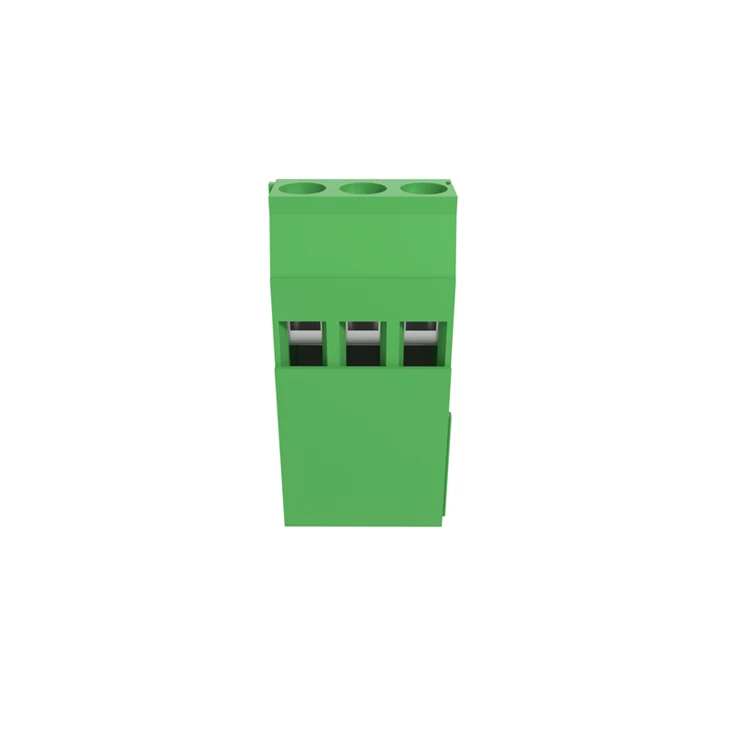
As a supplier of PCB screw connectors, we offer a wide range of products with different voltage, current, and size ratings to meet the diverse needs of power supply unit applications. Our 5.08MM PCB SCREW TERMINAL BLOCK is a popular choice for many power applications, offering high conductivity, good insulation, and reliable performance. We also provide pcb screw terminal block and Terminal Block Without Pcb Screws For Connector options to suit different design requirements.
If you are looking for high-quality PCB screw connectors for your power supply unit, we invite you to contact us for more information and to discuss your specific needs. Our team of experts is ready to assist you in selecting the right connectors for your application and providing you with the best possible service.
References
- Grob, Bernard. "Basic Electronics." McGraw-Hill Education, 2007.
- Neaman, David A. "Microelectronic Circuits." Oxford University Press, 2019.
- Wikipedia contributors. "Terminal block." Wikipedia, The Free Encyclopedia. Wikipedia, The Free Encyclopedia, 22 Mar. 2023. Web. 15 Apr. 2023.