

Can PCB screw connectors be used for high - voltage applications?
May 16, 2025
Can PCB screw connectors be used for high - voltage applications? Well, that's a question I get asked a lot as a supplier of PCB screw connectors. In this blog, I'm gonna break down the ins and outs of using these connectors in high - voltage scenarios.
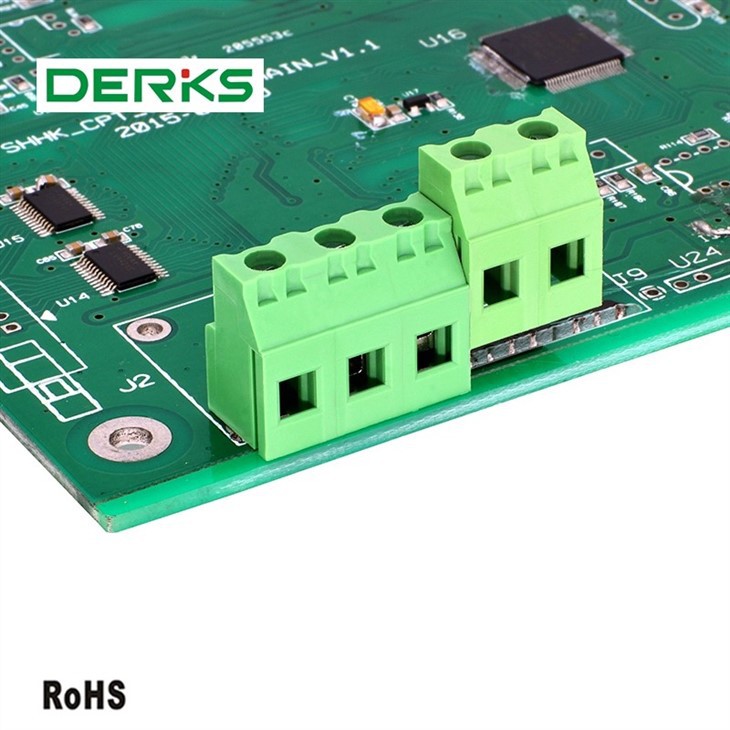
First off, let's understand what PCB screw connectors are. They're basically connectors that use screws to secure wires to a printed circuit board (PCB). They're pretty common in all sorts of electrical applications because they're easy to install and can handle a decent amount of current. You can check out our Screw Type Connector for PCB to get a better idea of what I'm talking about.
Now, when it comes to high - voltage applications, things get a bit more complicated. High - voltage is generally considered to be anything above 1000 volts for AC systems and 1500 volts for DC systems. In these situations, safety and reliability are of the utmost importance.
One of the key factors to consider is the insulation of the PCB screw connector. Good insulation is crucial to prevent electrical arcing and short - circuits. Arcing can occur when the voltage is high enough to ionize the air between conductors, creating a conductive path. This can lead to damage to the connector, the PCB, and even pose a safety hazard. Our 7.62mm 2 - 3poles Screw Terminal Block is designed with high - quality insulation materials to minimize the risk of arcing in high - voltage situations.

Another important aspect is the mechanical strength of the connector. High - voltage applications often involve high - power currents, which can generate heat. This heat can cause the materials in the connector to expand and contract, potentially loosening the screws over time. A loose connection can lead to increased resistance, more heat generation, and eventually, a failure of the connection. Our connectors are built to withstand these thermal stresses, ensuring a stable connection even under high - voltage and high - current conditions.
The contact resistance of the connector is also a big deal. In high - voltage applications, even a small increase in contact resistance can lead to significant power losses and overheating. We use high - quality materials and precise manufacturing processes to keep the contact resistance as low as possible in our PCB SCREW TERMINAL BLOCK.
However, it's not all smooth sailing. There are some limitations to using PCB screw connectors in high - voltage applications. For one, they may not be suitable for extremely high - voltage systems. In these cases, specialized high - voltage connectors may be required. Also, the size of the connector can be a factor. Larger connectors may be needed to handle the higher voltage and current, which can take up more space on the PCB.
So, can PCB screw connectors be used for high - voltage applications? The answer is yes, but with some caveats. They can be a great option for many high - voltage applications, especially those in the medium - voltage range. But you need to make sure you choose the right connector for the job, taking into account factors like insulation, mechanical strength, and contact resistance.
If you're in the market for PCB screw connectors for high - voltage applications, I'd love to have a chat with you. We've got a wide range of products that are designed to meet the needs of different high - voltage scenarios. Whether you're working on a small - scale project or a large - scale industrial application, we can help you find the right solution. Just reach out, and we can start the conversation about your specific requirements.

In conclusion, PCB screw connectors can be a viable option for high - voltage applications, but it's important to do your due diligence and choose the right product. I'm confident that our range of connectors can provide the performance and reliability you need. So, don't hesitate to get in touch if you're interested in learning more or making a purchase.
References
- Electrical Engineering textbooks on high - voltage systems and connectors
- Industry standards and guidelines for high - voltage applications