

Are there any industry standards for plug in terminal blocks for PCB?
Jun 24, 2025
Are there any industry standards for plug in terminal blocks for PCB?
Hey there! As a supplier of Plug In Terminal Block For PCB, I often get asked about industry standards. So, I thought I'd take a deep - dive into this topic and share what I know.
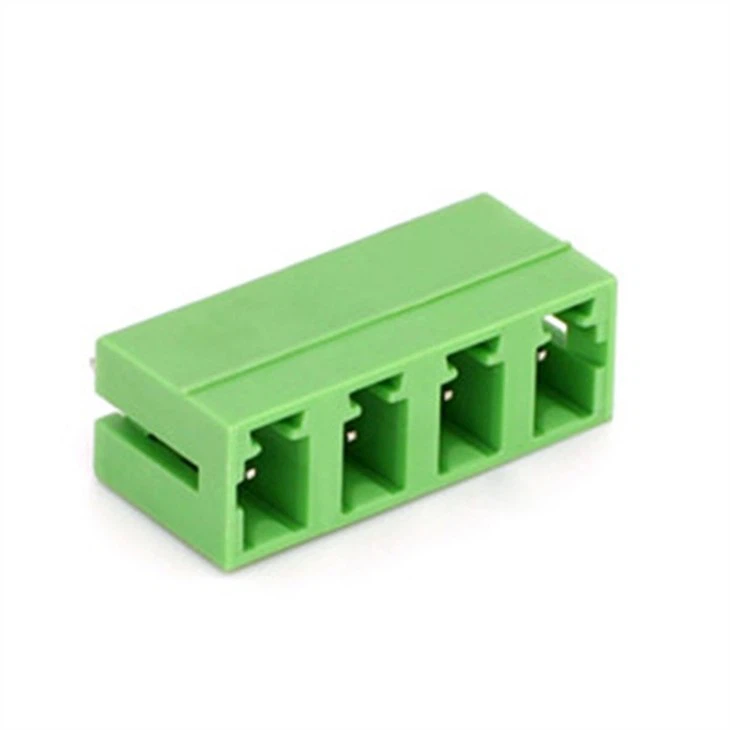
First off, let's understand what plug in terminal blocks for PCB are. These are components used to connect wires to a printed circuit board (PCB). They offer a convenient and reliable way to establish electrical connections without the need for soldering. You can check out our Plug In Terminal Block for PCB on our website to see what I'm talking about.
Now, onto the big question: are there industry standards? The answer is a definite yes. There are several standards that govern the design, manufacturing, and performance of plug in terminal blocks for PCB.
One of the most well - known standards is the IEC (International Electrotechnical Commission) standard. The IEC sets out requirements for electrical equipment and components on a global scale. For plug in terminal blocks for PCB, the IEC standards cover aspects like insulation resistance, dielectric strength, and temperature rise. Insulation resistance is crucial as it ensures that there is no unwanted electrical leakage between different terminals. Dielectric strength determines how well the terminal block can withstand high voltages without breaking down. And temperature rise is important because excessive heat can damage the terminal block and affect its performance.
Another important standard is UL (Underwriters Laboratories). UL is a North American standard, and it's widely recognized in the electrical and electronics industry. UL standards focus on safety. They ensure that plug in terminal blocks for PCB are safe to use in various applications. This includes requirements for flame resistance, mechanical strength, and proper marking of the terminal blocks. For example, a terminal block that meets UL standards should be able to resist catching fire easily, and it should be marked clearly with its ratings and other important information.
In Europe, the EN (European Norm) standards also play a significant role. These standards are harmonized across European countries to ensure that electrical products can be used interchangeably. EN standards for plug in terminal blocks for PCB are similar to the IEC standards in many ways, but they also take into account the specific requirements and regulations in the European market.
So, why are these standards so important? Well, for one, they ensure the quality and reliability of the products. When a plug in terminal block for PCB meets these standards, you can be confident that it has been tested and verified to perform as expected. This is especially important in industries where safety and reliability are of utmost importance, such as the automotive, aerospace, and medical industries.
For us as a supplier, adhering to these standards is non - negotiable. We want to provide our customers with products that they can trust. That's why all of our PCB Electric Pluggable Connector and PCB Electric Pluggable Terminal Block are designed and manufactured in strict accordance with the relevant industry standards.
We use high - quality materials in our production process. For the housing of the terminal blocks, we often use materials that have good insulation properties and are resistant to environmental factors like moisture and chemicals. The contacts are made from conductive materials with low resistance to ensure efficient electrical transmission.
During the manufacturing process, we have strict quality control measures in place. Every terminal block goes through a series of tests to ensure that it meets the standards. We test for electrical performance, mechanical strength, and environmental resistance. For example, we test the contact resistance to make sure it's within the acceptable range. We also subject the terminal blocks to vibration and shock tests to ensure that they can withstand the rigors of real - world applications.

But it's not just about meeting the minimum standards. We're always looking for ways to improve our products. We invest in research and development to come up with new designs and features that can enhance the performance and usability of our plug in terminal blocks for PCB. For example, we're working on developing terminal blocks that are easier to install and have a more compact design.
When it comes to choosing a supplier for plug in terminal blocks for PCB, it's important to look for one that adheres to industry standards. This will give you peace of mind knowing that you're getting a high - quality product. You should also consider factors like the supplier's reputation, customer service, and pricing.
At our company, we pride ourselves on providing excellent customer service. We have a team of experts who can help you choose the right terminal block for your specific application. Whether you're working on a small - scale project or a large - scale industrial application, we can offer you the right solution.
If you're in the market for plug in terminal blocks for PCB, we'd love to have a chat with you. We can discuss your requirements in detail and provide you with a quote. We believe that our products can meet your needs and exceed your expectations. So, don't hesitate to reach out to us for a procurement discussion. We're here to help you find the best plug in terminal blocks for your PCB projects.
In conclusion, there are definitely industry standards for plug in terminal blocks for PCB, and they play a crucial role in ensuring the quality and safety of these products. As a supplier, we're committed to upholding these standards and providing our customers with the best possible products and services. If you're interested in learning more or making a purchase, feel free to contact us and start the procurement discussion.
References
- International Electrotechnical Commission (IEC) standards
- Underwriters Laboratories (UL) standards
- European Norm (EN) standards